
Joshua Tree
National Park
791,840 acres of desert wilderness where the Mojave and Colorado deserts converge
Plan Your VisitJoshua Tree National Park spans 791,840 acres across the Mojave and Colorado deserts in Southern California. The park is open 24 hours a day, 365 days a year, with an entrance fee of $30 per vehicle valid for 7 days. Most visitors explore the park in 1-2 days, with October through May being the ideal seasons to visit.

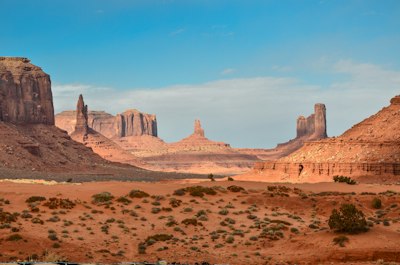
Where Two Deserts Meet
Joshua Tree National Park sits at the collision point of two distinct desert ecosystems. The higher, cooler Mojave Desert in the west is home to the park's namesake — the twisted, otherworldly Joshua tree. The lower, hotter Colorado Desert on the east brings cholla cacti, ocotillo, and sweeping desert vistas.
Established as a national monument in 1936 and designated a national park in 1994, Joshua Tree protects nearly 792,000 acres of pristine desert wilderness — an area larger than Rhode Island. The park draws over 3 million visitors annually with its surreal boulder formations, world-class rock climbing, and some of the darkest night skies in Southern California.
At a Glance


Camping
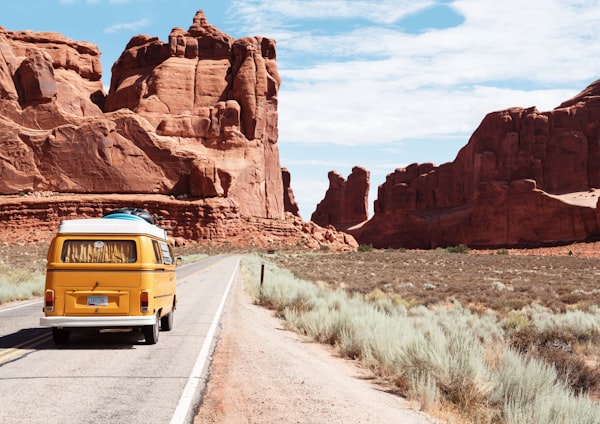
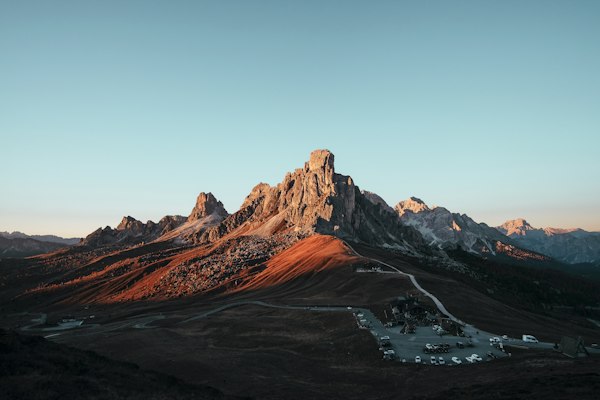
Joshua Tree has over 500 established campsites across 8 campgrounds. Camping is the best way to experience the park's legendary night skies and catch sunrise over the rock formations. Sites range from reservable to first-come-first-served, and most fill quickly during peak season.
There is no lodging or water available at most campgrounds. Come prepared.
Full Camping GuideJumbo Rocks
ReservableHidden Valley
First-ComeRyan
First-ComeBlack Rock
ReservableIndian Cove
ReservableCottonwood
ReservableSeasonal Guide
Spring
Mar – May- Wildflower superbloom (good years)
- Mild hiking temps
- Good climbing
- Busy weekends — arrive early
Summer
Jun – Sep- Extreme heat — hike before 8am only
- Fewest crowds
- Best deals on lodging
- Spectacular night stargazing
Fall
Oct – Nov- Perfect temperatures
- Rock climbing season
- Campfire weather
- Clear skies, book well ahead
Winter
Dec – Feb- Cool and clear
- Golden afternoon light
- Occasional frost at night
- Peaceful solitude
Entrances & Getting There
West Entrance
From Joshua Tree town via Park Blvd. Most popular. Closest to Hidden Valley, Barker Dam, Skull Rock, and top climbing areas.
North Entrance
From Twentynine Palms via Utah Trail. Home to Oasis Visitor Center (the park's main visitor center).
South Entrance
From I-10 via Cottonwood Springs Rd. Quietest entrance. Access to Cottonwood campground and Cholla Cactus Garden.
Drive Times
Two Deserts, One Park
Joshua Tree is the only national park that straddles two distinct desert ecosystems, each with its own character, elevation, and plant life.
Mojave Desert
- Elevation: 3,000–5,800 ft
- Home to the iconic Joshua Trees
- Massive granite boulder formations
- Cooler temperatures year-round
- Where most popular trails are located

Colorado Desert
- Elevation: 500–3,000 ft
- Cholla cacti, ocotillo, creosote bush
- Open, sparse terrain with wide vistas
- Hotter and more arid
- Cottonwood area & Cholla Cactus Garden
Wildlife & Flora
Joshua Tree
The park's namesake yucca — can live over 150 years
Cholla Cactus
The "teddy bear" cactus — beautiful but don't touch
Desert Bighorn Sheep
Occasionally spotted on rocky slopes at dawn
Roadrunner
The park's most charismatic bird, seen year-round
Desert Tortoise
A protected species — never pick one up
Black-tailed Jackrabbit
Commonly seen at dawn and dusk near campgrounds
Tips & Know Before You Go
Frequently Asked Questions


Plan Your Joshua Tree Adventure
Find the perfect place to stay, discover the best trails, and build your ideal desert itinerary.
Plan Your Trip